
How to get referrals
Want more referrals for your business? This is the best way to get them!
 Alex: How do I get more referals for my business without spending a lot of time and money?
 Sunni: Networking!
Alex: Hmmm … you mean breakfast meetings and elevator pitches?
Sunni: No. I mean on-line networking groups. They’re bigger and faster.
Alex: So I should join a group and post links to my website and hope people will visit it?
Sunni: NO! Networking means getting to know people in the group. You comment on their posts, ask them questions, congratulate them when they're doing well, sympathise when they're not, have a laugh with them, be interested in what they do and who they are.
Alex: Sounds like its all about them and not about me.
Sunni: Exactly

Alex: Wait! What's this?
Sunni: It's a seagull. Seagulls swoop in on conversations, dump their message and leave - or worse - they only show up when there's something on offer that they want then they try and steal it. Don't be a seagull!
Alex: So if I can't just advertise what I do or pick up work on offer, how does that help me?
Sunni: This is all about building relationships. People love it when you’re interested in them first. They’ll think you’re a really genuine person and when you post something about what you’re doing, they’ll ask you about it. Its all about trust and knowing you're not going to dump on them or steal from them.
Alex: OK, I'm getting the idea. And then what?
Sunni: When people get to know you, and they like you and the work you do, they’ll be happy to refer clients to you.
Alex: Doesn’t that take a long time?
Sunni: Not if you’re talking to 100s of people at the same time.
Alex: WHAT?!
Sunni: In a group with several hundred members only a few will actively engage with you but the rest watch and see how you interact, see what you do, get to know your talents, your values, your personality and that you’re a trusted person, so referrals come from them too.
Alex: No business cards? No elevator pitches? No kickbacks?
Sunni: No. Just conversations with people you probably end up making friends with.
Alex: Wow. How do I get started?
Sunni: https://www.linkedin.com/groups/3143015/


Let's talk about podcasting
Have you met anyone lately who didn't have a podcast?
With the rise of popularity you may be tempted to get into podcasting.
There is a bewildering array of tools to choose from and many other questions to answer!

Berenice Smith, a graphic designer at Hello Lovely Design, helped set up and produce The Full Stop podcast and answered questions about the tech, equipment, design, guests, and more!
The basics - time money and skills!
Ann Hawkins What's the range of skills and the time and financial commitment needed to make a consistently good podcast?
Berenice Smith I work with two other presenters so getting a good mix of speech and tone is important as is listening skills, empathy, knowing the audience, contacts, branding, and social media.
Technically we needed to research the different platforms and what an RSS is and does. It is useful to know about audio editing though apps like Headliner and Podbean make that relatively easy. A workflow helps as well. The website is set up to do most of the hard work when the episode goes live. It's the organising that takes time - the right guests, getting them and us together (this week we recorded across 3 continents!)
Topics - I was told that most podcasts end at 8 episodes as the material runs dry and time is an issue. We’re at episode 14 and have the rest of the themes planned out for the year and beyond, it’s never-ending but in some areas - even design - that might be tricky so pacing the content and making it useful matter. But it does take a lot of time even with three of us sharing the load - more than we anticipated and as we’ve become more known, those demands are increasing.
Finance - At the moment we ask for donations. For us, there’s a big ethical thing around asking for money from this demographic but as I said earlier, we have plans for Patreon or crowdfunding that I’m happy to talk about elsewhere. We have listed all those costs so we can keep a record like a business so that if we are in the position of seeking funding or changing the model we have this to hand. That’s really important. Prepare for growth from the start.
The key thing for me was going for it. I joined a lot of podcast groups on Facebook and oh my, it was all rather geeky! It's easy to get hung up on tech but if you have a solid plan then try it out and see where it goes. Pod bean is free for about 3 hours I think so that's enough to do some short pieces and take it from there. See what happens!
We expected about 100 listeners given we hadn't considered paying for advertising (we never have) so anything over that has been a bonus and we're way beyond that now but to help one person alone is enough.
We are all podcast listeners too. That was important, we know what others do and are getting an ear for what works and what doesn't!
Q. How far ahead are you planning typically?
Berenice Smith We typically block in events and some, like Mother's Day, Christmas etc require extra care but sometime we have to shuffle around because of a newsworthy item so we try to have some flex. We tend to have the next three episodes in mind and one canned in case we need it - often that's from a previous podcast so we get a break. Some shuffles happen because we're getting guests from across different time zones too!
Is a podcast right for your business?
Q. Can you tell us how you decided that a podcast was right for your project/business and was likely to give you a return on that work?
Berenice Smith We started the podcast after we drew up a proposal for the BBC Rachel Bland award. It was during that research that we realised that there wasn’t a podcast for our niche. So much like a business plan really
Probably the thing to say here is that this is a podcast about involuntary childlessness so there isn’t a direct link to my business, more to me. Although I work with a very wide demographic I also work with men and women who want an empathic designer in this area so it’s been a benefit I’ve not realised before. It’s allowed people to get to know me (something that Ann Hawkins said in the 6 Steps Programme was what would make someone chose between me or another designer is down to personality so it's been an indirect benefit!)
This is the podcast I co-present so you can get a feel for what we've done.

THEFULLSTOPPOD.COM
However, I’m hoping to set up a creative podcast at some point soon (if anyone is interested!)
Helen Lindop What are the benefits of a podcast compared to say a YouTube channel, or blog?
Berenice Smith I’ve not really experimented with YouTube but I would say it’s about our comfort and that of guests. We record on Zoom but it’s amazing how sitting in your home knowing that there won’t be any video can make a safe space. We do have a blog and a newsletter. We send out a newsletter to our subscribers when the episode goes up and then a few days later we go public and then share some of the newsletter content. Our open stat averages 70% and the clicks around 60%.
Q. Do you do the editing and uploading yourselves or outsource it?
Berenice Smith We do it all ourselves. There’s loads of software from Garageband to Adobe Audition, and sites that can do this such as Headliner (which we use on the free version for audiograms). We’re really lucky that Michael (one of the co-presenters) loves the audio editing and has had media training, I’m happy with social media, running the website and seeking out opportunities to increase our reach and Sarah is a great writer for our blog so we all bring varied skills.
Attracting listeners
Q. How to you get subscribers/listeners?
Berenice Smith Being social. We've currently got 2.8k listeners over all time and we're fortunate that our community is incredibly committed. Presenters and guests are important. We started with published authors who did well with social media to bring in traffic and we intersperse guests like Bibi Lynch and Susan Muir (look up Suzy and the Simple Man, she’s incredible) with stories from new names, less established to give balance and humanity.
Spotify is in beta at the moment for podcasts so that took a bit of time to sort out, but we're doing well on Apple, and Podbean is great. We've recently launched on Stitcher so we're always checking the platforms and asking our listeners. We've recently added in a community news and a toolkit of resources.
There's a new Google podcasts app too.
It's really hard for us to get reviews in this field as people have the right to privacy but encouraging reviews especially on Apple, really bumps it up along with all the benefit that reviews bring.
Standing out in the crowd
Q. I'm thinking of starting a podcast about being a copywriter - but there are already a lot of people doing it; is it worth creating a podcast with so many discussing similar topics, and if yes how could it stand out?
Berenice Smith I think research really important - there are lots of podcasts that cross over so we do have others with similar aims (the more the better to be honest when it comes to mental health but it’s good to have a niche). For example we found that there were very few men talking about mental health and grief so our male presenter is very important. The other female presenter is a coach and training to be a counsellor so she brings a lot of ethics and fantastic questions.
We also engage with other podcasts so we’re appearing on a podcast in USA very shortly and the person who founded that has just recorded an episode with us. The collaboration really works if you can find the subtle differences. Also, if you decided to collaborate with others, the team dynamic has been important for us so whilst your subject matter might be similar, maybe there’s a collaboration that makes it unique.
Branding
Branding is really important too - I've seen so many podcasts with covers that are illegible, so our brand is very strong and personal and it has reach. A good website and all those important design rules matter.

Q. I hadn't thought about the importance of having a good mix of presenters, great point.
Q. Did you have an exact idea about what you wanted it to be like? e.g. is it scripted?
Berenice Smith We really have no script! We do script the intro, middle part and ending so it’s topped and tailed by website and social media though and we always research the guests.
As for the what we wanted to be like - we had key words - empathy, funny, sweary and human. We’ve been told that the biggest draw is us as team and that we do laugh. That’s so important with difficult subjects that can been uncomfortable and we’re all about building bridges so it’s for all (hence the name not really alluding to the subject matter). But we do edit so that each episode usually started with one of us digressing or laughing to set the tone. We’ve had tears - especially over one specific one on mental health - which has increased our audience.
Q. That's interesting. I tried without a script and waffled too much
Berenice Smith I have had to record a few pieces on my own and oh yes... I'm terrible. As we're presenting as a team we tend to have hand signals for waffle alerts or we'll ping a message to each other but I empathise completely!
Who are ideal guests?
Q. What are you looking for in a guest?
Berenice Smith I love that you love being a guest, me too! Oddly it's not about the tech - guests get worried about not having a recording studio but in the main, a pair of headphones and a quiet room is fine.
Someone who is relaxed, not over promoting and has something valuable to share, is engaged with us already as a follower and has listened to the podcast. There’s a lot of the ethos of Drive about how we approach the social media so it’s all about supportiveness not sales. Subtle :D
Find our more about Berenice at Hello Lovely Design and on Twitter @hihellolovely
Find out more about The Full Stop Podcast at TheFullStopPod and on Twitter @TheFullStop1
Berenice is also a finalist in the Digital Women Awards and has been selected as one of the 40 women to watch!
Email marketing doesn't have to be scary!
Many small businesses are wary of email marketing but it is still one of the most effective ways of increasing sales.
How do you keep in touch with previous customers?
How do you attract new customers?
How do you turn a connection into a paying client?
These are all things that can easily be achieved with the right email marketing system.
However, choosing the right platform, avoiding spamming, GDPR, wrangling automation, linking to CRMs are all issues that cause concern so we asked Helen Lindop to answer questions from our members.
 Helen is a CRM and email marketing consultant for small businesses who shares lots of information and free newsletter templates at www.helenlindop.com
This is a transcript of a live Q&A
Choosing the right platform
Q. You mentioned you've lost patience with MailChimp. What's your current preferred platform?
Helen Lindop It really depends on your needs, there isn't a one size fits all. A good alternative for people who are on the free Mailchimp plan is Mailerlite.
Q. Would be interested in your recommendation/pros/cons of MailChimp vs HubSpot.
Helen Lindop It really depends on what you want to achieve, I'd always start with your goals and then find a tool to help you reach those. Hubspot does a lot more than just email marketing and can be too complicated for many smaller businesses. I would say that you'd look at Hubspot when you'd outgrown a platform like Mailchimp. That said, I reckon there are much better platforms out there than Mailchimp.
Q. What advantages does Mailerlite have over Mail Chimp?
Helen Lindop The advantage is greatest for people just starting out. Both offer free plans, but with the Mailchimp free plan you can only have one list (known as audiences in Mailchimp) and you can't have automations with more than one step in them (e.g. you can automatically send out a free PDF, but you can't send a sequence of emails). Also, many people find the Mailchimp interface clunky and confusing, Mailerlite is simpler to get around.
Q. I moved over to Mailerlite from MailChimp and I'd say it's easier to use and there's lots of video tutorials. Also easier to split into groups etc
Q. When choosing an email/crm system for your business what are the key things you should take into consideration?
Helen Lindop Always start with your goals - I have some clients who just want to stay on people's radar, so only need a simple newsletter-style monthly email and one client who has an ecommerce store with an email sequence when someone buys, a shopping cart abandonment sequence and a product page abandonment sequence. So there are very different situations.
In terms of CRM, some businesses want a customer database with a history of their communication with them, plus reminder to follow up. Others need that and a full sales pipeline plus more. So it depends very much on what you need.
Let me know if you need any more specific info!
Helen Lindop I give my other top picks in this post: The best Email Marketing Platforms for Small Businesses 2020 
Moving platforms
Helen Lindop It's usually not as scary to move as people think. Moving the data over is often straightforward if you tag properly, things like automations and integrations take longer. How to move to a new email markeitng service

Q. Where's the best place to find out *how* to automate? These sites aren't always intuitive. It was my biggest barrier to getting it done
Helen Lindop You can automate such a huge range of things now that it's hard to find your way around all the info unless you decide what you want to automate first. For many businesses, following up with people who have shown an interest in your business or bought before is the best place to start automating because it's a really effective way of making more sales. And is so easily forgotten.
Q. When you talk about automating marketing, is it possible that if someone downloads a pdf from your website or social media platform, that this can be linked back to your CRM system and trigger a series of appropriate follow up to move potential buyers further through the funnel? Hope that makes sense
Helen Lindop Yes, that's marketing automation! 😁 Most email marketing platforms will do this now, although the level of complexity/flexibility varies a lot. As does the price.
When is enough enough?
Q. How many emails should one send, over what period of time and is there a benefit to leaving time in between?
Helen Lindop It really depends on your goals and your audience. I always suggest starting with a frequency that you can maintain consistently (both in terms of being able to create enough quality content for your mailings, and to physically send the emails), get some data and then work from there. If you increase the frequency and lots of people unsubscribe, that may be a reason to drop it again - although if the people who unsubscribe aren't buyers then that may be OK.
Visuals and text
Q. I just downloaded your email templates yesterday. Very helpful thank you and I'm sure I will use them. For other emails though, is there any reason why a newsletter couldn't be purely visuals (other than titles/links say)?
Helen Lindop The problem is that many Gmail users don't download the images, so never see them. So your emails always need to 'work' whether the images are visible or not. Also check they work in plain text as well as HTML.
Who should be on the list?
Q. If you've never done this before, what's the first step to getting people to sign up in the first place? Second question, once you have sign ups what do you do? Start an excel file? Jump straight into a CRM platform? Can you give a beginners guide to the process when starting from scratch.
Helen Lindop There are many ways of getting people to sign up including having some kind or discount or freebie when they subscribe. It's important that you make it clear they are also going to receive marketing emails from you when you do this, though. There are lots of tips about how to do this on my blog.
I would always use an email marketing or marketing automation platform to manage this for you rather than Excel. Partly because it's just easier that way and the starter level tools are inexpensive or even free (Mailerlite and Hubspot CRM have free plans). But also because it's bad practice to email in bulk from say Gmail or Outlook. But as I said above, I don't recommend jumping into a platform until you've decided what you need - what are your business goals? What do you need these tools to be able to do to support those? What do they need to integrate with (e.g. do they need to integrate with your website, shopping cart etc).
7 Reasons why a CRM is better than and Excel Spreadsheet.
Q. Would you recommend unsubscribing people who aren't engaged?
Helen Lindop It's generally a good idea to clean up your lists because a) otherwise you may be paying for subscribers who never open your emails and b) the platforms prefer accounts to have subscribers that are engaged. But you need to be careful because whether someone has opened an email or not isn't always tracked 100% accurately. A better guide is whether someone has clicked a link in your email. So it's better to delete those people who haven't clicked in 6 months rather than those who haven't opened in 6 months.
Q. This can depend on the type of information and the type of subscriber. I've got people who've been on my list for more than 10 years who pop up now and then to say they like reading my posts, and even though they've never bought anything ask me not to take them off the list.
Q. I have a client who currently uses a WordPress plugin to send out their monthly e-newsletter. I've been trying to convince them to switch to a different platform for years. They have a lot of "role" email addresses on their subscription list - info@, admin@ etc.
Helen Lindop Those role email addresses aren't good news. They tend to have a lower open rate than named email addresses and so it will affect their stats. Some platforms go as far as not allowing them (e.g. Aweber) so I'd check this before signing them up. Off the top of my head I don't know one that is totally happy with these. I think I'd try to get them to reduce these if possible, although I know it's not easy.
Common mistakes
1) Not doing email marketing because some expert says it's dead and they should be using (insert current bright shiny tool) instead. (Note, this expert often doesn't know anything about email marketing!).
2) Managing your customer database from an email inbox/ post-it notes/fridge door/ memory.
3) Focusing on marketing to strangers when you stand a much better chance of selling to existing customers or 'warm' people who know you.
4) Deleting all your data because of GDPR.
There are lots more great tips from Helen on her blog at www.helenlindop.com and she is planning a beginners course on this topic so keep in touch by signing up to her list and on Twitter @HelenLindop

Plan your future success
Develop an action plan and a support network that will help you to keep building on your success year after year. Setting your personal financial goals Discovering your attitude to money Creating a three year growth plan Worksheets Personal Financial Goals Three Year Growth Plan
Websites, developers and designers
Is there a foolproof way to get a website built?
There's a lot of confusion about the process of building a website and where developers, designers, copywriters and other professionals fit in.

We asked Graphic Designer and Front End Developer Richard Slade to answer questions about the best way to get a great website built.
Richard has over 20 years experience in the design industry working in the public, private and charity sectors with some of the top names in design. He produces highly creative work for brands and organisations across the UK and his work covers a wide range of disciplines, including web, print and corporate identity. His portfolio can be viewed at sladedesign.co.uk
This is a transcript of a live Q&A.
Does everybody need a website?
Q. Why would I want a website? It would seem that people can find me ok via LinkedIn.
Richard Slade The difference between any platform like LinkedIn or Facebook and your own website is that you own your website and you have no control over the other platforms. They could be changed or taken down with no notice.
If you're selling a product you might use a platform like Etsy and they'll take a cut of your profits and suggest buyers look at your competitors whereas if you could have a bespoke shop to fit your needs on your own website.
When you post on LinkedIn or any other platform they change their terms /layout /processes and privacy with no reference to you. You could lose all your articles, posts, pictures and connections. If you own your website with a blog and a mailing list, its your property.
Should new businesses start with a simple site?
Helen Lindop I have some experience of people new-ish to business who want to leap in with a website that is more complex than I think they realise. E.g. someone who has a main offering but also wants to make an online course and they want a booking service and payment options... and so on. I know it depends on the individual, but do you recommend starting with a small, simple website then add features as they grow? Or does that risk expensive re-designs later on?
Richard Slade I would always recommend, you can't go wrong with using a CMS or Content Management System, as this can adapt and grow as the business grows with no cost implications for migrating sites, or changing platforms if the existing one doesn't have all features.
Recommended Content Management Systems
A Content Management System is software that helps users create, manage, and modify content on their own website without the need for specialised technical knowledge.
Helen Lindop What sort of CMS would you recommend?
Richard Slade The most widely used are Wordpress, Joomla and Drupal.
Wikipedia cite WordPress as being used by more than 60 million websites including 33% of the top 10 million global websites.
Its also an open source platform, which means that millions of people worldwide maintain it but no-one owns it so this makes it very easy to find people who do even the most complex sites and you're not going to get stuck if your developer disappears or if they use bespoke code that means you have to pay for every change.
This is a chart of the most popular Content Management Systems

Wix, SquareSpace, Wordpress.com (not Wordpress.org which is different) all fall within the online builder category. This means that all the content (images and text) is stored on the providers platform. If they decide to change their platform, as in free to chargeable, or go into liquidation or get bought out, your site would be affected.
The manual, software and CMS categories ensure you retain ownership and copyright forever.
Own your Domain Name
Having your own domain name, website and email addresses will give you and your business a more professional look. You should always own these yourself, irrespective of who builds and hosts your website. Owning your domain name also helps to protect copyrights and trademarks, increase brand awareness, and search engine positioning.
Domain names can be purchased as part of a package with Wix, SquareSpace, Wordpress.com etc or independently.
Domain names can be purchased at any time. Even if all you have is an idea you can secure the domain name and let it sit dormant for years.
What's the process?
Ann Hawkins If someone decides to have a site built, what comes first? Designer / developer / copywriter? Who manages the whole thing?
Richard Slade With new builds, for me, the process starts much further up. Knowing what the site is for, what the owner expects it to do, and what results they want. Then comes a discussion about what you want people to do when they land on your site. This will help to inform the choice of platform and design concept. The process comes first then the layout. If there is any complex interactivity like shops, event listings, forums etc. its important to know where they fit into how the site will be used.
Once all that is determined I'd do a simple wire frame - this is a very simple drawing of what goes where in a very basic layout and shows text blocks, images, buttons etc.
This is a simple example of a wireframe.
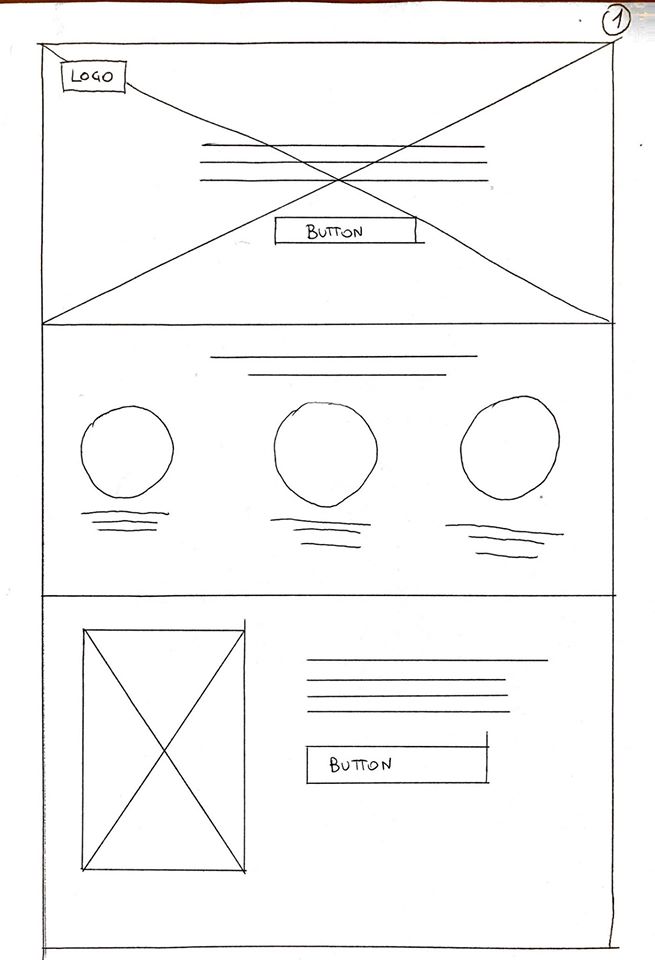
My advice is to find a designer based on their previous work and whether the sites they showcase are kept up-to-date. All the sites I list as my work, I check in with regularly as they directly reflect my reputation. Plus I'm a little OCD about stuff which helps too.
Before work starts on building the site, its a good idea to have all the copy and images ready so that everything can be planned out to a realistic timetable.
===================
This is huge topic and there are many more aspects to discuss. If you have any questions you can get in touch with Richard at www.sladedesign.co.uk or on Twitter @SladeDesign

Get Your Business Running Without You
No-body started a business to do hours and hours of admin. If you want more time to do what you love, or concentrate on the activites that make you most money, you need to automate, outsource or delegate the admin in your business. [pullquote]There are two parts to this step: Free Technology and Don’t do […]

How to Sell with Integrity
Too many small businesses spend time and money on marketing but fail to make sales. Discover how to make your marketing pay for itself by making more sales and creating trusted relationships. Are you solving a problem or creating delight for your customers? Find out how to use the most effective techniques to identify and […]
How to have a healthy relationship with money
Does thinking about money make you anxious, or is is just a tool that gives you choices?
Business owners often transfer their feelings about their own money to their business and this can cause lots of problems, so we asked Money Coach, Dennis Harhalakis, to answer questions on "How to have a healthy relationship with money"
What is money coaching?

Dennis Harhalakis I spent many years working in the finance industry and I noticed that most of the people I worked with were pretty bad at managing their money.
The whole industry is set up to take your money and do things with it, but there was very little understanding about what enabled some people to have healthy saving and spending habits, whereas others - and there is no relation to income or social standing - struggled with everything money related.
In the late 90's there was a book called the Millionaire Next Door and this analysed the behaviour of people that built wealth over their lifetimes. They identified 4 positive financial behaviours:
1. Frugality - spending less than you earn
2. Confidence - financial literacy and learning about how the system works
3. Responsibility - taking ownership of your financial outcomes
4. Social indifference - not being influenced by what other people are buying and what society tells you should have.
Understanding the emotional aspects of your relationship with money is the key to developing these behaviours.
It's hard to budget if thinking about money causes anxiety.
It's hard to be indifferent to the opinions of others if your self-esteem is low.
So, money coaching helps people to recognise and understand those patterns so you can make the changes you want.
Using money as a measure of success
Q. There are many ways to define and measure success but in business, money is the usual measure, why is this?
Dennis Harhalakis Money is the simplest measure society has for success. As hierarchical mammals our brains are always looking out to see how we compare to others. It's a core survival issue and it's totally subconscious.
Q. Some people are easily able to separate how they deal with business money and how they deal with their own. So its obviously not money per se that's the issue but having a different relationship to ownership. Is that right?
Dennis Harhalakis Yes correct. Our relationship with our own money is entirely emotional. Money is a core survival need and so dealing with it triggers our core survival processes and responses. That's why it's so emotional. For small business owners, the problem is often that there is no neat separation between personal money and business money. So, personal issues with money will leak over into the business side. This goes beyond simple competencies, and extends to issues of self worth which can then limit your ability to drive your business forward.
What we learn from our parents
Q. In your experience, what's the most common thing that gets in the way of having a healthy relationship with money?
Dennis Harhalakis The biggest cause of unhealthy relationships with money is bad messaging during childhood. Depending on how the adults behaved, money becomes associated with anxiety, shame, conflict. In households where money wasn't talked about it's really hard to develop a positive relationship. The sad thing is, children tend to internalise this and we find ourselves ashamed that we cannot manage our finances properly.
Q. I've found it's not too hard to understand where my beliefs about wealth and money come from but it's much harder to change them - what do you advise?
Dennis Harhalakis We often don't understand how and why we feel the way we do, but we blame ourselves. As a society we don't talk about these feelings and we are embarrassed. If I had to give you one message only, it's that we all have money issues and it's perfectly normal. Unless your parents were incredibly enlightened, you will have some negative patterns.
The path to developing positive emotions, patterns and behaviour around money
1. Understand your money story
2. Moderate extreme behaviour
3. Change negative patterns and scripts.
This is really, really hard to do on your own because you brain will shy away from things/thoughts that make is feel uncomfortable.
Understanding your neurobiology - how the brain works - how the brain handles money - is probably the key to all of this.
The aim is develop greater consciousness in your behaviour around money. What is driving those emotions, what is driving your behaviour.
95% of our behaviour is subconscious and driven by deeply ingrained processes that keep our species alive for millions of years.
The good news is that it's possible to change all these lifelong habits and beliefs and there are incredible benefits to it.
Technology and money
Q. Technology is changing the way we handle money and that this is something that looks set to grow significantly in the future. Do you see technology improving peoples relationship with money?
Dennis Harhalakis Technology will help us to deal with the complexity of managing our finances - I love Monzo and Money Dashboard - but the emotional dynamics of our relationship can't be changed by technology per se. If technology can be used to support financial literacy and budgeting, then yes... it is extremely useful. But there is also a downside. When spending becomes frictionless, we spend more.
Q. Is that because we cannot manage/control our own desires or that we just don't follow the figures?
Dennis Harhalakis We are wired for instant gratification. As we evolved, if we saw something we needed, we just took it (and usually ate it). We don't need to do that now, but the urge is still there. So, when the process of instant gratification becomes frictionless, it becomes really hard to control.
Q. What about pay forward systems where you have a self imposed limit to your spend?
Dennis Harhalakis All friction is good..... and 'control' mechanisms will vary from person to person. It's about choice architecture and designing the process that will achieve the outcome you desire. Neurologically speaking, handing over cash versus waving a card or phone are completely different processes.
Resources and help
Q. So many books/resources/experts on relationships with money rely on new age ideas like manifesting - can you recommend any that are based on things like psychology and solid financial principles instead?
Dennis Harhalakis The resources page on my website has a good list of useful books and I suggest you have a quick look at those that seem interesting. If I had to pick 1 it would probably be Wired for Wealth and I would also highly recommend Money Magic by Deborah Price. She is the founder of the Money Coaching Institute and has been doing amazing work for over 20 years. I trained with her.
https://cambridgemoneycoaching.uk/resources-2/
Dennis Harhalakis is the founder of Cambridge Money Coaching and a Certified Money Coach (CMC)®. Money Coaching deals with the unconscious patterns, beliefs and behaviours around money that we all have. Understanding these behaviours and patterns is the key to achieving true financial independence and success. This understanding is particularly important when facing the challenges of a sudden change in circumstances.
With over 30 years’ experience in financial services, Dennis offers clear, practical guidance on how to address the common problems associated with money choices, patterns, and the day-to-day management of money issues. He holds an Investment Advice Diploma from the Chartered Institute of Securities and Investments (CISI).
Dennis believes strongly in supporting financial literacy and helping young people prepare for the challenges of today’s world. He has been a Business Adviser with Youth Enterprise and worked with Cambridge schools as a mentor and guide to careers in Finance.

How to Create a Marketing Plan
Small businesses waste a huge amount of time and money on ineffective marketing. When budgets are tight its tempting to dive in and start doing your own marketing or hire someone who isn’t very experienced. With a bit of insight and preparation you can save a lot of time and make sure the people you […]
How to close more sales with email marketing
Are you worried that email marketing comes across as automated spam?
 Do you know how to manage your mailing list so that your messages arrive almost by magic to solve your customers problems at just the right time?
Helen Lindop helps small businesses set up lists that make your customers feel special, not just an anonymous part of your sales and marketing machine.
This is a transcript of a live Q&A.
Helen Lindop I'm not going to teach you sales tips because I'm not a sales expert. But one thing I see a lot is people assuming that email marketing is just another marketing channel (and an older, less-sexy-than-the-latest-social-media-platform one) and therefore just one more marketing job they don't have time for.
But I'd like to give you a different perspective. Think of your other marketing channels as ways of reaching out to new people and starting off a relationship with them. Email marketing asks them to go a step further - usually offering a gift of some kind in exchange for an email address - and that means it's about following up, carrying on with the relationship-building, then closing the sale.
If you've ever been frustrated by not selling as much as you'd like on social media, it's very possible that you're missing this piece of your marketing strategy, or at least leaning too far towards reaching out to new people and not putting enough focus on following up and closing. This is also good for people who feel a bit uncomfortable about selling... because an email does that bit for you - if you do it right.
How to avoid looking like spam
Helen Lindop There are lots of ways to avoid the dreaded spam label: First make sure you're following the rules - GDPR fills a lot of people with terror but it's not so daunting for small businesses and a lot of it is just transparency and courtesy anyway.
Then, send info that people actually want to read - help, educate or entertain them. Send something they'll look forward to reading.
Check your stats e.g. if your unsubscribe rate is high, drop the frequency a bit and see if it improves. Test your headlines to see if they have spammy words in them - many email marketing platforms have a headline checker.
How you gather email addresses matters too. If they already know and like you from social media or a presentation you ran then you already have a relationship with them before they subscribe. Then you need to develop that.
Don't let GDPR put you off
Helen Lindop For any micro biz owners nervous about GDPR, this might be reassuring https://ico.org.uk/.../assessment-for-small-business.../
Q. What's the most effective way to get replies? Is it header/content/CTA? or a combo? I'm sure it depends on what the relationship I've built with them is, and where they're at in terms of sharing info with me and when we can meet. Ideally I want to meet up and chat as that's when my 'sales' get done :)
Helen Lindop If you want to move them towards interacting with you I'd encourage that right from when they subscribe. So in the welcome email, ask them a question like 'What's your top challenge with x? Hit the reply button and tell me, I promise to reply'. That way they know you're a real human being and will respond. Often people assume email marketing is a one way communication so they need a bit of encouraging. Then write your emails as if you're writing to one individual, make it feel really personal. Similar to the way you approach social media, nothing like a dry newsletter.
How to get started building a list
Helen Lindop Start with a goal - what do you want to achieve with it? E.g. more design clients? I know that sounds really obvious but it's surprising how much this varies. E.g. I had one client who was an accountant who didn't have any space for new clients so the only purpose of her list was to stop people forgetting she existed when she did need a new client!
Q. That's pretty much my goal - attract more clients and remind existing ones I'm still here. However, I don't feel comfortable adding existing clients to a mailing list. Obviously I'd ask for their permission, but "can I add you to my newsletter list" just sounds lame.
Helen Lindop I think 'newsletter' is a very boring word with undertones of 'I'm going to try to flog you stuff from time to time'. Can you think of a way of giving it a brand all of its own that it makes it sound like a product in its own right, e.g. The Design Times. You can still be transparent about what's in it on your landing page.
Q. OK, so I've created a landing page and sign up form... how best to get people to actually sign up? (Is it a good idea to have a sample amount of content or similar?) Then publicise the new landing page on social? What's the protocol for inviting existing clients to sign up - send an email inviting them to do so, or be more subtle, just adding a link to it in my email footer etc.
Helen Lindop I think you need to sell it a bit - it's fine to put it in your footer but in itself I'm not sure you'll get many subscriptions from that. With clients you speak to I'd just drop it into conversation. A landing page with good 'what's in it for me' copy is a great idea, I'd just treat it like a product you'd sell...except it's free. In a way it is 'a sale' because they are paying for it with their email address.
There are loads of ways of promoting your list - a really effective one is to do some kind of event that's closely related to The Design Times - online or off - and mention it there (more on that here https://helenlindop.com/.../how-to-build-your-mailing.../ ). You can do a straightforward tweet or social media update with a link telling people why they should sign up, I put mine in related blog posts, too.
How to build your mailing list using online workshops
Using the right platform
Q. Should all bulk emailing be done via a dedicated platform and not from a personal email address and why?
Helen Lindop Yes, definitely do it from an email marketing platform because to bulk mail from your own email address looks spammy. And it's WAY easier to manage it from a platform. Plus there are all kinds of data security issues with bulk email from your own address.
Q. What kind of numbers of people would you consider bulk email Helen?
Helen Lindop You can get email plans that start from free (Mailerlite for example) so if you have any intention of building a list I'd start right now with one subscriber. That's not to say free is best, it depends what your goals are - you might be better with one of the paid platforms. But it's just not worth the risk and hassle of emailing even 10 people with your personal email.
What if no-body buys anything?
Helen Lindop If you find yourself with a list of people who love your content but don't buy, then check things like are you making offers frequently enough? Are they hidden in a load of text that people skim read over? Are they the right offers for that audience? Are they at the right stage of the buying process?
Some people are so scared of being spammy that they never really sell anything in their emails.
Q. Helen Lindop Is this a good subtle way to do business or a fear that needs overcoming??!
Helen Lindop Often it is a fear that needs overcoming and it's hard to get over it unless you do it. Both from a point of view that it gives you confidence that you can do email marketing without people hating you (you totally can), and you've then got some stats to work with.
It's subtle in one way in that you don't need to sell face-to-face, but you still need to be confident in presenting offers in emails.
Q. How does it work to segment a list so that people who are interested in one thing don't get offers for things they're not interested in?
Helen Lindop Most email marketing platforms allow you to tag subscribers, so you could tag someone who subscribed at your event with #event and someone who has shown an interest in online training with #onlinetraining. Or even both, because most allow you to have multiple tags. You can apply tags manually e.g. if you import subscribers who signed up on a sheet at a live event, or you can set it up that subscribers that join your list from a specific landing page are tagged #event, for example. This means that you can send emails about events to those people who are most interested in events. That's a really simple example, you can also tag people based on what they bought in your online store, whether they've clicked a specific link on your site, if they've abandoned your shopping cart and many more.
In terms of platform, Convertkit and Active Campaign are great for doing this, Aweber is a good lower priced solution that's maybe a bit less powerful but still good, Mailerlite is not that strong but does have some features, Mailchimp is infuriatingly clunky. *other opinions are available!
One significant change with GDPR for email marketing is that you can no longer say 'download my freebie' then subscribe them to a mailing list and sell them stuff. You either have to a) be transparent on the landing page that they'll download the freebie and be added your mailing list where they can expect to receive x, y and z or b) let them download the freebie then get their consent to add them to your mailing list after. Many people got so scared by this they either stopped giving away freebies or added a load of confusing tick-boxes to their landing pages. Just wanted to mention this as it is still possible to use lead magnets, and they can still be very effective.
If you are stuck for what to write to your subscribers I have 9 free templates you can copy, paste and fill in the gaps here (yes that's my freebie!)
Newsletter and awesome freebies
If you have any other questions for Helen you can find her at www.helenlindop.com on Twitter @HelenLindop and LinkedIn

How to Increase Profits
The number one reason why businesses fail is running out of cash. Learn to love managing your finances with some simple but effective tools and techniques. Understand how to find and focus on the most profitable activities in your business and why your own attitude to money could be holding you back. The easiest way […]

How to have time for everything!
Having enough time for everything is one of the things that most small businesses struggle with. “I never get around to doing the things that are really important – I’m too busy firefighting.” “I feel as though I’m on a hamster wheel, running faster just to stand still.” “Even when I have time to do […]